Putting the Brakes on Trafficking
- Portland Observer

- Jan 7
- 2 min read
ODOT promotes awareness and reporting
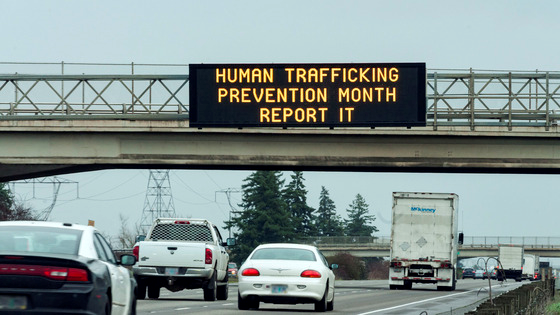
The Oregon Department of Transportation is supporting January’s Human Trafficking Prevention Month, designed to educate people about human trafficking and the role we all play in preventing and reporting the crime.
Human trafficking is a form of modern slavery that involves using force, fraud, or pressure to obtain cheap labor or commercial sex. Traffickers can be friends, family members, romantic partners, employers or strangers. Anyone can be a victim.
“Human trafficking is a crime hiding in plain sight; it occurs in rural, suburban and urban areas. Thanks to the internet, more victims are being recruited and exploited online,” said TAT State Programs Manager Maggie Dawson. “We all play a role in combating this crime.
During National Human Trafficking Prevention Month, it is our responsibility to educate ourselves on this issue and learn how to recognize the signs of human trafficking.” TAT is a non-profit organization that trains truck drivers and the transportation industry to recognize and report human trafficking.
“Human trafficking depends on transportation systems to operate, so we partner with transportation agencies like TAT to educate and empower people to recognize the signs and know how to report the crime,” said ODOT Commerce and Compliance Division Administrator Carla Phelps. “Community awareness can change a victim’s life. The more we know about what human trafficking really looks like, the better we’ll be able to recognize a victim and make the call.”
As part of the monthly observance, the Commercial Vehicle Safety Alliance holds a Human Trafficking Awareness Initiative Jan. 12-16. During that week, trained motor carrier enforcement officers and safety inspectors from ODOT’s Commerce and Compliance Division will work with law enforcement to hand out human trafficking awareness materials in English and Spanish to truck drivers and motor carriers at weigh stations and ports of entry throughout the state.
TAT is offering a January webinar series to help people better understand ways that traffickers exploit their victims and how they can make a difference in their community and workplace. Experts with the U.S. Department of Homeland Security’s Blue Campaign are also hosting two webinars on how to best recognize and report potential human trafficking cases.
If you suspect human trafficking, do not confront a suspected trafficker or alert a victim to any suspicions. If it’s an emergency, call 911 or the National Human Trafficking Hotline at 1-888-373-7888. The hotline is operated 24 hours a day by a nongovernmental organization. You may also text HELP or INFO to 233733 (BEFREE).